 Ultimate guide
Are Hypoallergenic Cufflinks for Men Worth It?
Last Updated: November 13, 2026
Quick Summary
Hypoallergenic cufflinks for men are worth it because they minimize skin irritation by avoiding nickel, the metal behind most jewelry-related contact reactions. Sterling silver and gold vermeil over sterling silver are reliable choices, since their alloys rarely trigger the reactions nickel does. Always verify the base metal rather than trusting the label alone.
- Nickel is the most common cause of contact dermatitis from jewelry and appears in many cheap alloys.
- Sterling silver is 92.5 percent fine silver, usually alloyed with copper rather than nickel.
- Look for a metal stamp such as 925 and a named base metal instead of a vague claim.
- Wipe cufflinks after each wear, wash with mild soap, dry fully, and store in a tarnish-resistant pouch.
- Ask what the closure is made of, since the post and toggle also touch your skin.
Table of Contents
- Why Hypoallergenic Cufflinks for Men Are Not Just a Marketing Label
- Metal-by-Metal Guide: Which Materials Suit Sensitive Skin
- The Sterling Silver Cufflink Advantage: Nickel-Free by Nature
- Benefits of Vermeil Jewelry for Men Who Want Gold Without the Irritation
- How to Verify Material Claims Before You Spend
- How to Clean Sterling Silver Cufflinks Without Damaging the Finish
- Fit, Contact Points, and Coating Longevity on Sensitive Skin
- Choosing Your Pair of Hypoallergenic Cufflinks
- Frequently Asked Questions
Why Hypoallergenic Cufflinks for Men Are Not Just a Marketing Label
Hypoallergenic cufflinks for men are cufflinks made from materials that reduce the likelihood of skin irritation, most often by avoiding nickel, the metal behind most jewelry-related contact reactions. At VALCREST™, we build every pair from sterling silver and vermeil precisely because those materials sidestep the problem at its source.
Here is what most shoppers get wrong: they assume "hypoallergenic" is a regulated guarantee. It is not. What actually protects your skin is the underlying metal, and that is something you can verify before you spend.
Below, we break down which materials genuinely suit sensitive skin, how to read a material claim, and how to care for a pair so it stays comfortable for years. The FDA guidance on jewelry and nickel is a useful starting point for understanding why nickel matters. Because nickel sensitivity is only one part of the equation, choosing jewelry for sensitive skin also means considering how each metal and finish feels against your skin.
What Hypoallergenic Actually Means for Cufflinks
Hypoallergenic cufflinks are cufflinks designed to minimize allergic reaction, typically by using metals that contain little or no nickel.
Nickel is the most common cause of contact dermatitis from jewelry, and it appears in many inexpensive alloys because it is cheap and hard-wearing. A cufflink sits against your wrist for hours, often against warm skin under a shirt cuff, which is exactly the condition that draws out a reaction. If you have ever finished a long day with red, itchy wrists, the metal is the first suspect.
Metal-by-Metal Guide: Which Materials Suit Sensitive Skin
Choosing a metal matters more than the label on the box. Allergy risk depends on the base metal, the alloy, and any plating or coating.
| Material | Nickel Risk | Durability | Typical Cost Tier | Best For |
|---|---|---|---|---|
| Stainless steel | Low to moderate, grade-dependent | High | Entry | Everyday wear, casual dress |
| Titanium | Very low | High | Mid | Highly reactive skin |
| Niobium | Very low | Moderate | Mid | Highly reactive skin, colored finishes |
| Sterling silver | Very low | High, with care | Mid to upper | Formalwear, heirloom use |
| Gold vermeil | Very low | Good, depends on plating thickness | Upper | Warm gold tone without irritation |
| Brass or base metal | High | Moderate | Entry | Occasional wear only |
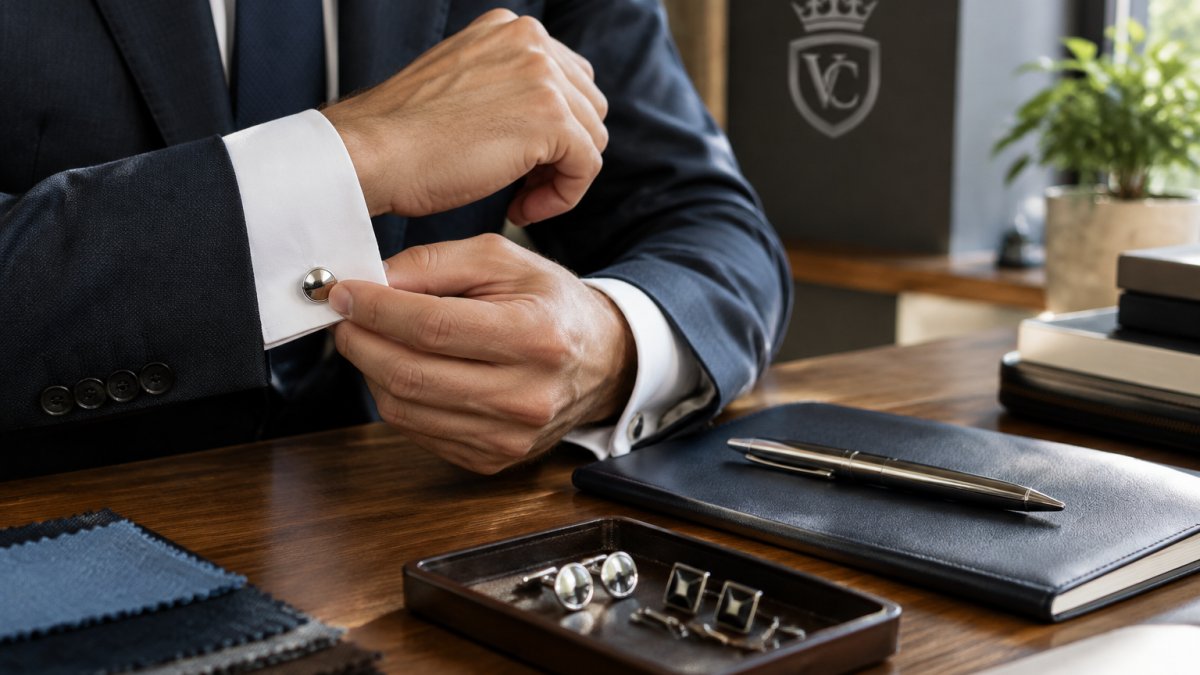
Nickel-free is a claim, not a certificate. No US agency certifies the word "hypoallergenic," and "nickel-free" is likewise a seller's statement unless it is backed by a named alloy or a specification. A cufflink described only as "nickel-free" tells you what the seller says; a cufflink described as "Grade 2 titanium" or "925 sterling silver" tells you what the metal is. Prefer the second kind of description, because you can check it.
Sterling silver is 92.5 percent fine silver, and the remaining alloy is usually copper rather than nickel, which is why it suits most sensitive wearers. It tarnishes, so it rewards a little care, but it can be re-polished rather than replaced.
Watch out: a listing that says "gold tone," "silver finish," or "hypoallergenic" without naming the base metal is usually a base alloy underneath, and that is exactly where reactions come from. For a deeper comparison of the metals we work with, see our guide to the 5 best metal materials for luxury cufflinks.
The Sterling Silver Cufflink Advantage: Nickel-Free by Nature
Sterling silver earns its place because the alloy is built for skin comfort. The standard mix is fine silver with a small amount of copper, and copper rarely triggers the reactions nickel does. That makes a sterling silver cufflink a reliable choice for men who react to cheaper metals.
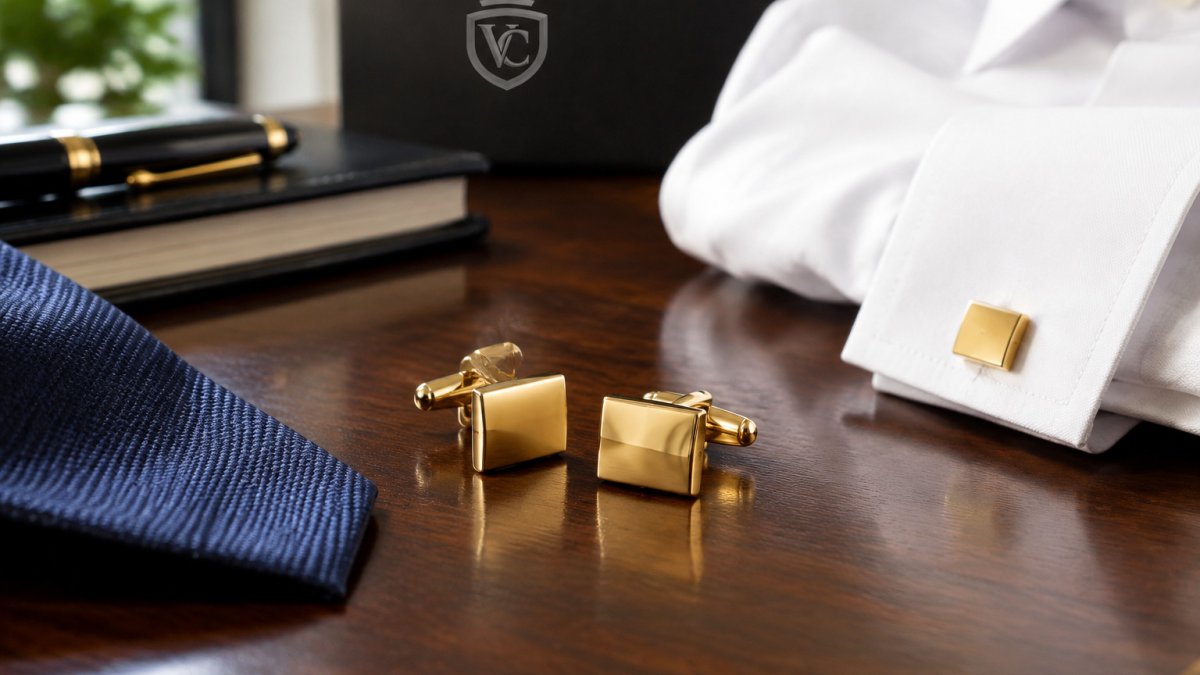
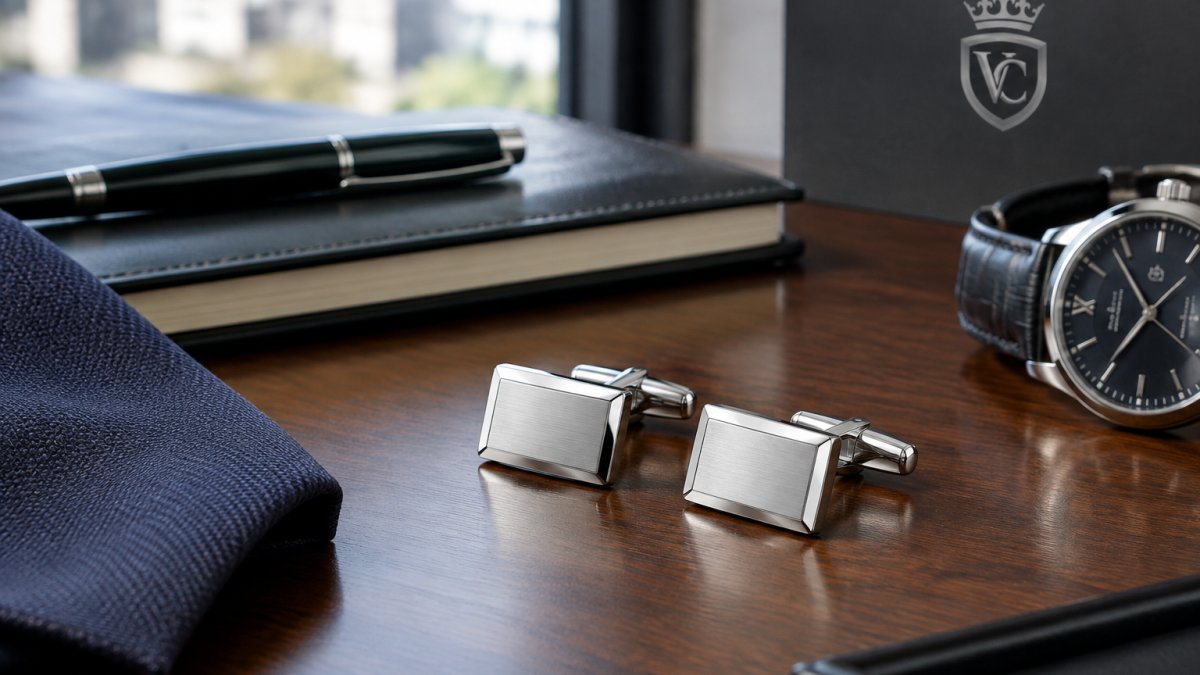
Our Executive Crown Cufflinks are made this way, in sterling silver with a polished finish and a whale back closure, with a gold version finished in 18k gold plating over sterling silver. If you want the full picture on quality markers and styling, read our guide to sterling silver cufflinks.
Benefits of Vermeil Jewelry for Men Who Want Gold Without the Irritation
Vermeil gives you the warmth of gold over a sterling silver core. The requirements are strict: the base must be sterling silver and the gold layer must be thick enough to qualify, which is why vermeil costs more than ordinary gold plating yet far less than solid gold.
Our gold Executive Crown pair uses 18k gold plating over sterling silver.
If you are weighing whether the price is justified, our buyer's guide to gold vermeil walks through what separates good vermeil from plating.
How to Verify Material Claims Before You Spend
Claims are easy; stamps and specifications are harder to fake. Start with the metal stamp. Sterling silver is marked 925, and a reputable maker will state the base metal and plating thickness for vermeil in plain language on the product page.
Then look for specificity. "Hypoallergenic" alone tells you nothing. "Sterling silver with 18k gold plating" tells you everything you need to judge the risk. Ask what the closure is made of, too, since the post and back touch your skin as much as the face does.
Watch out: a listing that says "gold tone" or "silver finish" without naming the base metal is usually a base alloy underneath, and that is where reactions come from. The FTC guidance on jewelry advertising sets out why material descriptions must be accurate, which gives you grounds to ask questions.
How to Clean Sterling Silver Cufflinks Without Damaging the Finish
Sterling silver stays comfortable and presentable with a simple routine: wipe it after each wear, wash it gently with mild soap and lukewarm water, dry it fully, and store it in a tarnish-resistant pouch or the presentation box. Skip the abrasive pastes on polished faces.
A soft cloth removes the oils and residue that dull the surface. For tarnish, a silver polishing cloth is enough for most cases; avoid dipping solutions on pieces with gold plating, since they can affect the finish. Fasten and unfasten the whale back gently rather than bending the post.
For a step-by-step method, our guide on how to polish silver cufflinks safely at home covers the full process without harsh chemicals.
Fit, Contact Points, and Coating Longevity on Sensitive Skin
A cufflink that fits properly moves less, and less movement means less friction against reactive skin. The face should sit flat against the cuff without pressing into the wrist, and the post should pass through the buttonhole cleanly rather than forcing it. A forced fit bends the post and creates a constant rub point at the buttonhole edge, the kind of low-grade friction that turns a borderline metal into an itchy afternoon.
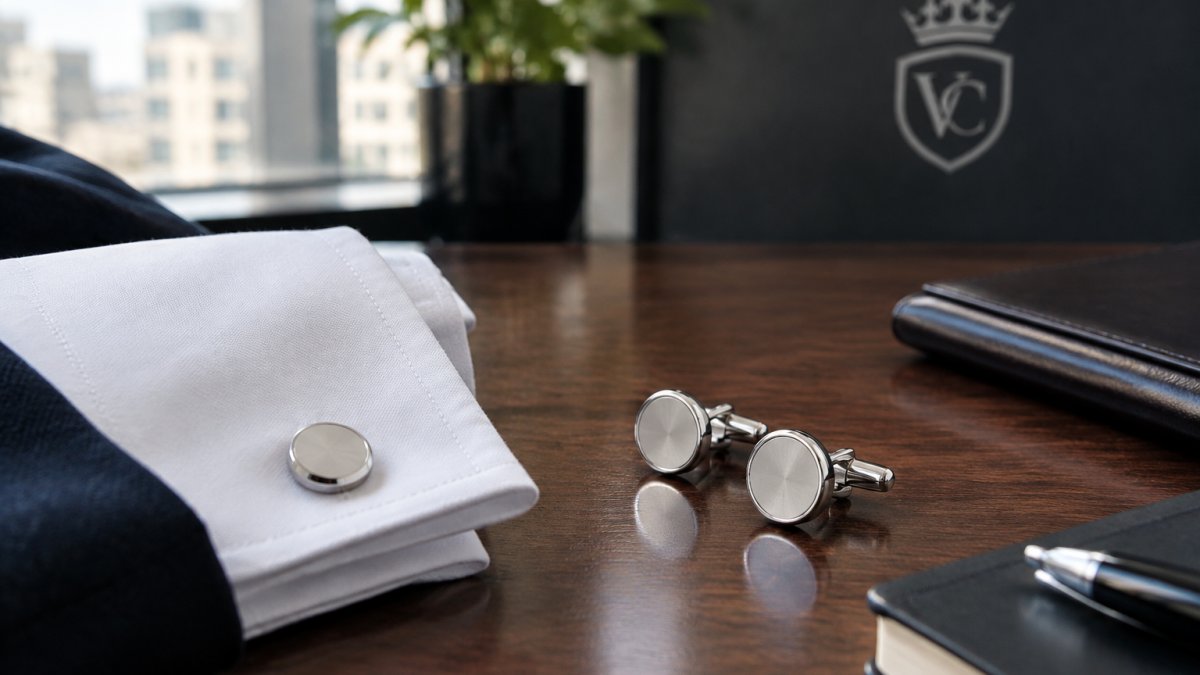
Contact points matter as much as the metal. The face, the post, and the toggle all touch skin or fabric, so a well-made pair uses the same quality material throughout. On a whale back or toggle closure, the toggle rests against the inside of the cuff and can contact the wrist directly; on a fixed back, the post and fastening sit against the skin for the full wear. Ask what the closure is made of, because a sterling face on a base-metal post is only half a hypoallergenic cufflink. Our Executive Crown cufflinks use a 16mm face diameter and weigh 10 grams each.
Moisture and heat are the accelerants. Warm skin under a shirt cuff, plus sweat, is the condition that draws nickel and other allergens out of a metal and onto your skin. That is why a pair that feels fine for an hour can irritate by the end of a long day, and why prolonged wear in summer or at a wedding reception is a harder test than a quick fitting. If you know you are reactive, favor a metal that does not rely on a coating for its barrier, and give your skin a break between long wears.
Coating longevity depends on thickness and care. A plated or vermeil layer protects you only while it is intact; abrasion at the post and the edges of the face is where it wears through first, and once it does, the underlying metal is what touches your skin. Store vermeil away from moisture and perfume, wipe it after wear, and avoid wearing it in the shower or at the gym. Treated that way, the gold layer holds its appearance far longer than thin plating on a cheap base.
Watch out: persistent redness, itching, or a rash after wearing cufflinks is a reason to stop wearing that pair and seek medical guidance rather than to keep testing metals on your own. A dermatologist can help you identify whether nickel or another allergen is the trigger.
Choosing Your Pair of Hypoallergenic Cufflinks
Match the metal to your skin first, then the style to your wardrobe. For most men with sensitive skin, sterling silver is the safest all-round choice, vermeil adds warmth for those who want gold, and titanium suits the most reactive skin at the cost of classic design.
Then think about how often you will wear them. A pair you reach for weekly justifies a solid silver build; a pair for weddings and galas can lean toward a distinctive finish. Round and oval faces read as understated, square and rectangular as more modern, and a monogram or initials makes a considered gift.
Our Executive Crown Sterling Silver Cufflinks, at $229.00, come in a presentation gift box and suit business attire and formal occasions.

If your skin has reacted to cheap metal before, the fix is not another "hypoallergenic" label; it is a pair built from sterling silver or vermeil from the start. VALCREST™ crafts cufflinks in sterling silver and gold vermeil, with a polished finish, a whale back closure, and a presentation gift box for gifting or storage. Get started with VALCREST™ and wear a pair that stays comfortable and refined for years.
Frequently Asked Questions
What are the best hypoallergenic metals for men's cufflinks?
Sterling silver, titanium, stainless steel, and 14K or 18K gold plating over a nickel-free base are the safest choices. Check the listing for a stated nickel-free claim and a named base metal before buying.
Are sterling silver cufflinks safe for sensitive skin?
Yes, for most people. Sterling silver is an alloy of 92.5% silver and 7.5% other metals, usually copper, with no nickel in the mix. Copper is a common skin contact metal and rarely causes reactions. The main risk is a plated finish wearing through to a base metal underneath. Solid sterling silver, like the Executive Crown pair, has no plating to wear away, so the surface stays the same for the life of the cufflink.
How can I tell if my cufflinks contain nickel?
Look for a stamp or listing detail naming the base metal. Terms like sterling, 925, titanium, and 18k gold plating are clear signals. Vague labels such as silver-tone, alloy, or fashion metal usually mean a nickel-containing base.
Do hypoallergenic cufflinks tarnish over time?
Sterling silver tarnishes when sulfur compounds in the air react with the surface, but the tarnish sits on top and wipes away with a silver cloth. It is not a sign of a skin problem. Vermeil, which is sterling silver with a thick gold layer, keeps its color longer but the gold can thin with heavy wear. Store cufflinks in a dry box, keep them away from perfume and chlorine, and wipe them after each wear to slow both processes.